CASE STUDY
AI-Powered Safety Card Processing
Processing over 200 handwritten safety cards per month used to consume 50 hours of critical admin time. We deployed an AI OCR and classification engine to automate the workflow.
The system now maps data landscape and connects handwritten insights directly to Power BI dashboards and real-time executive alerts.
50hrs → 2hrs
Monthly Admin Reduction
15 Min
Time for 50 Cards

CASE STUDY
Integrated Safety, Quality & Sustainability Platform
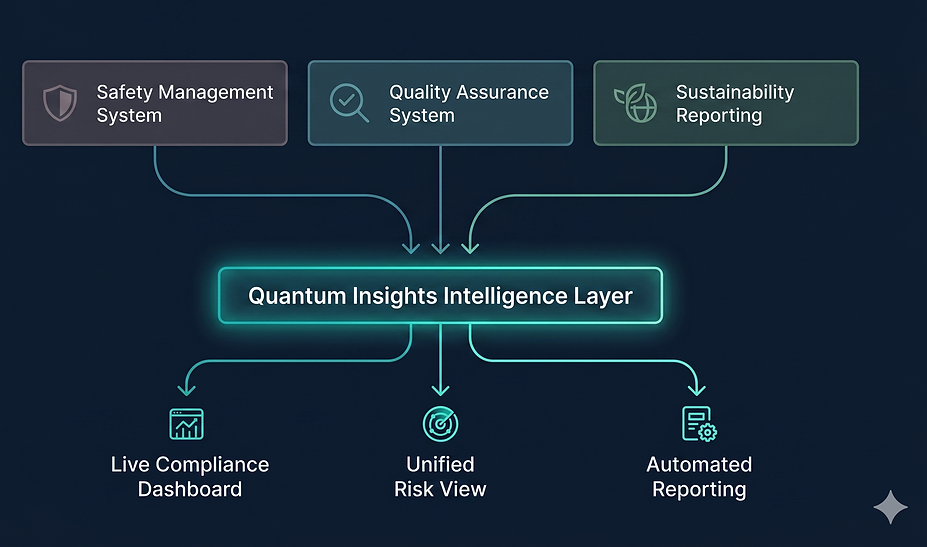
For this manufacturer, safety compliance, quality assurance, and sustainability reporting were three separate problems — each on different systems, none connected. The real issue wasn't any single platform. It was the lack of a connected foundation.
The Result
Unified platform giving leadership a single view across all three functions. Compliance reporting that took days now runs automatically.
CASE STUDY
Critical Control Verification
Fletcher Building Group
Across 32 business units and 700+ sites, critical control audits revealed that over 70% of safety checks showed significant degradation between quarterly checks. Most organisations don't have a data problem—they have a connection problem.
We built live risk registers connected to operational activity feeds, ensuring flagging happens in 24 hours rather than 90-day manual audit cycles.
24 Hours
Real-time degradation flagging vs 90-day cycles.
CASE STUDY
Predicting Risk Events from Operational Activity
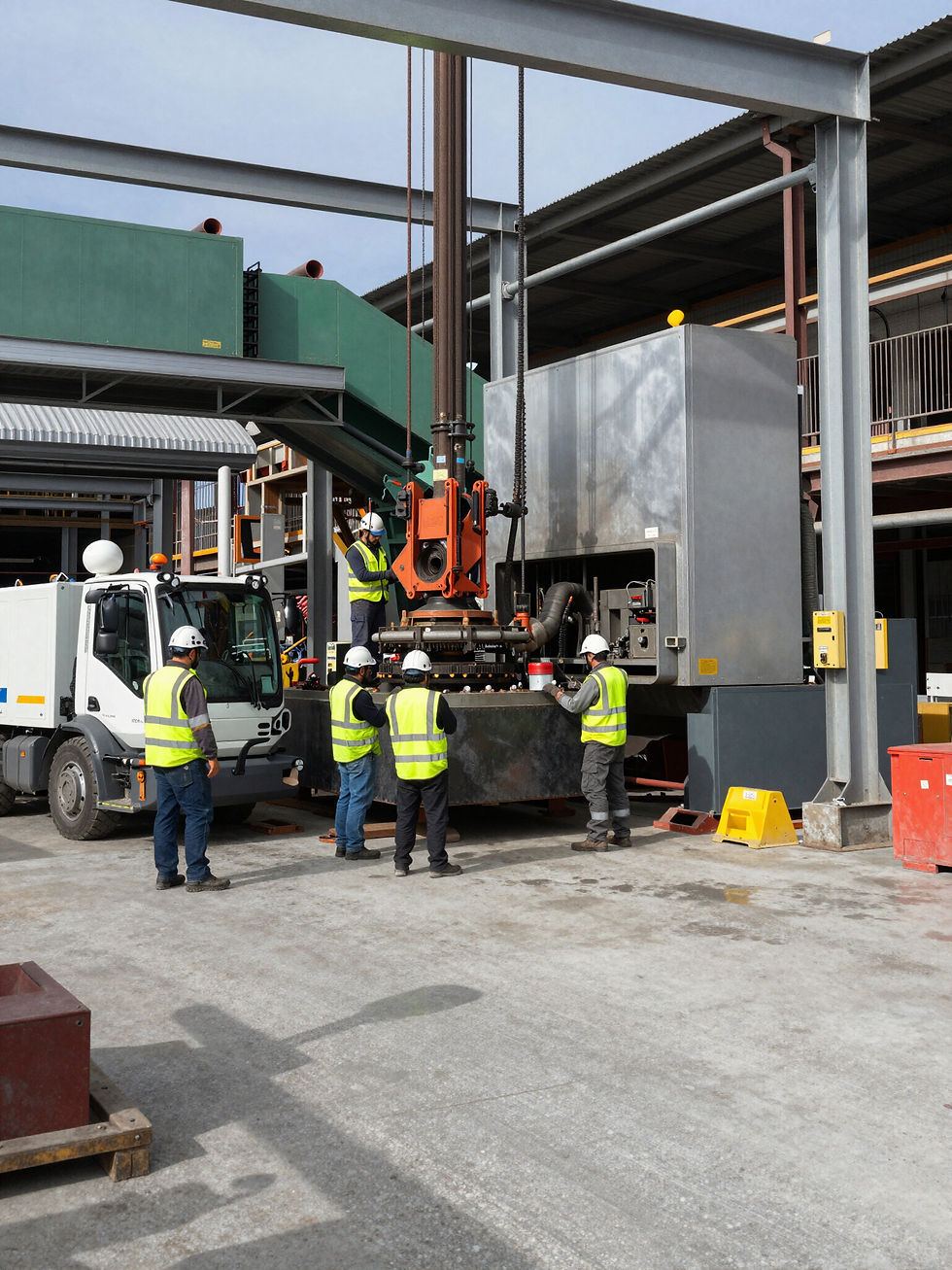
Most safety teams look exclusively at incident data. The leading signals—equipment performance, maintenance patterns, and operational load—typically sit in separate silos and never get connected to the risk picture.
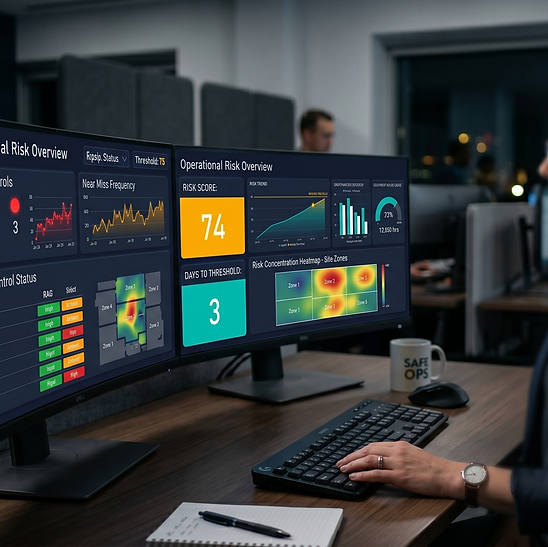
By connecting live operational activity to the safety risk register, the business moved from reacting to anticipating. Risk events are now predicted from live signals, giving safety leaders days of warning instead of a post-incident report.
CASE STUDY
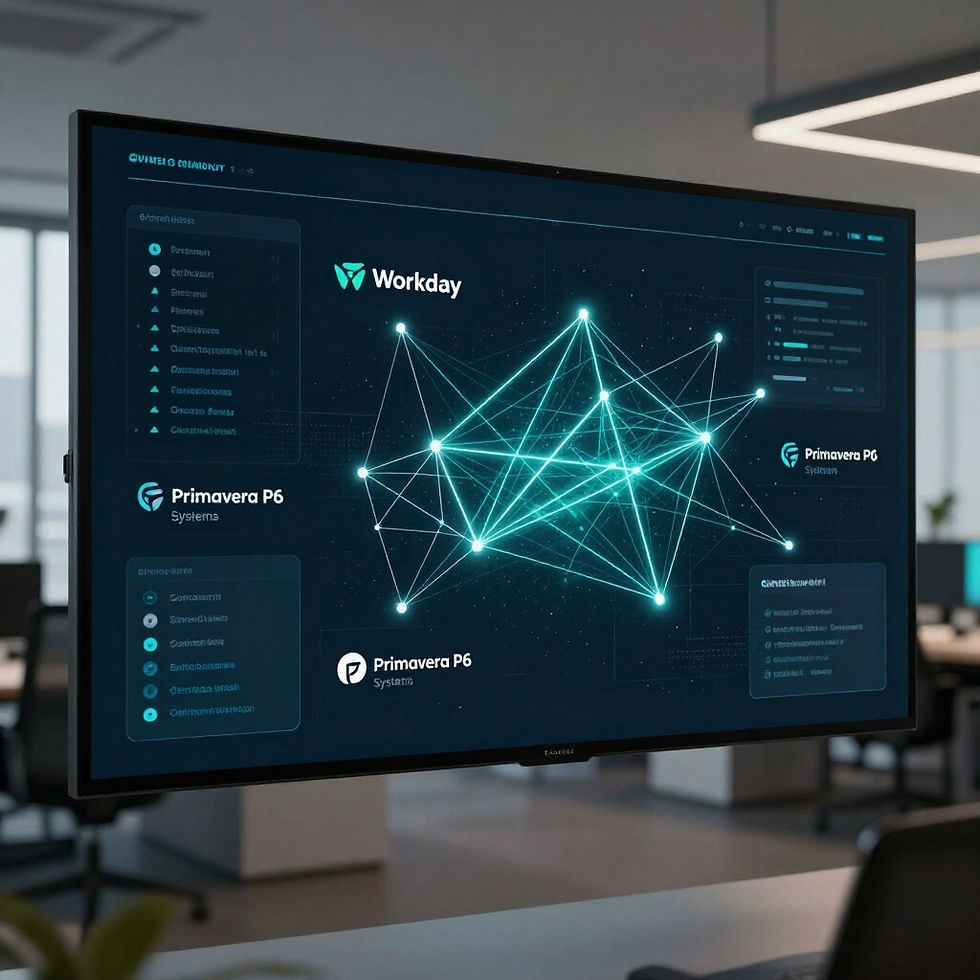
Workday + P6 Integration
Workforce management, project schedules, and cost data across three disparate systems resulted in over two days of manual reporting each month. We automated the integration to create a unified dashboard for workforce analytics.
The Impact
2 Days → 2 Hours
Manual data handling was reduced by over 90%, establishing a single source of truth for workforce and resource allocation across the enterprise.